Breaking News: Carolyn Hennesy’s Diane COME BACK Shocks Port Charles
The return of Diane Miller to General Hospital is more than a simple comeback—it is a moment layered with emotion, resilience, and powerful storytelling that resonates deeply with longtime viewers. After months away from the canvas, Diane’s reappearance feels earned, meaningful, and unmistakably triumphant.
Portrayed by Carolyn Hennesy since late 2006, Diane has long been one of Port Charles’ sharpest legal minds: impeccably dressed, razor-tongued, and fearless in the courtroom.
Her unexpected absence in late 2025 was the result of a real-life accident that left Hennesy with a severe leg injury, requiring two surgeries and a long recovery. Rather than writing around her absence, the show made a thoughtful and humane choice—integrating that reality directly into Diane’s storyline.
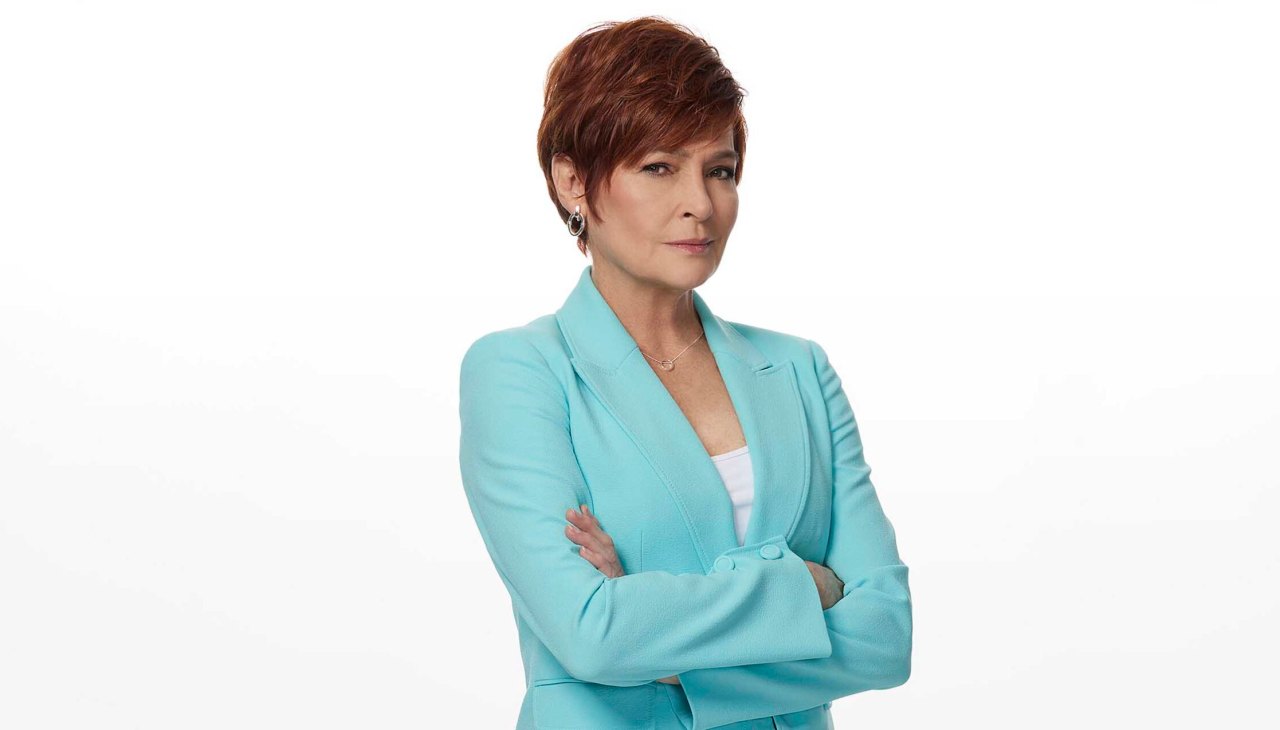
When Diane returns on January 13, 2026, she does so in a wheelchair, mirroring Hennesy’s real-life recovery. Far from weakening the character, this choice adds depth and authenticity. Diane is temporarily slowed physically, but her intellect, authority, and moral clarity remain untouched. If anything, her presence feels even stronger—her vulnerability underscoring just how formidable she truly is.




Her return could not come at a more critical moment. Port Charles is embroiled in legal chaos surrounding the shooting of Drew Cain, with Alexis Davis at the center of a moral and professional crisis.
Alexis, Diane’s closest friend and longtime law partner, has been defending Willow Tate, even as evidence increasingly suggests Willow may be guilty. The strain is evident. Alexis is torn between her ethical duty, personal fear, and the devastating consequences of acknowledging the truth.
This is where Diane steps back into the story with quiet force. In their first scenes together, the chemistry between Diane and Alexis crackles with history, loyalty, and unspoken understanding. Diane listens—really listens—as Alexis confesses her doubts and her fear of what exposing the truth might cost.
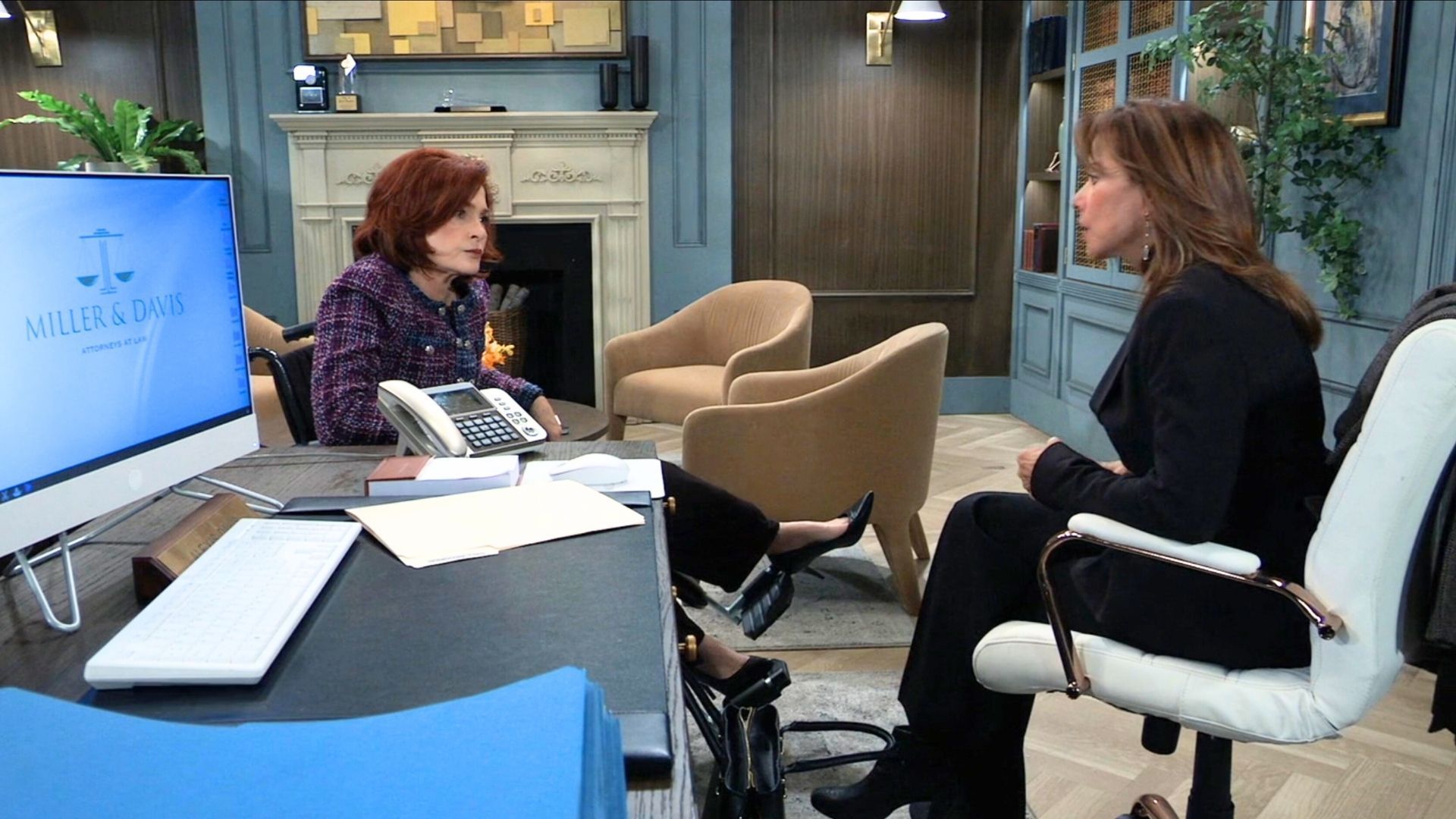
Though seated in a wheelchair, Diane’s presence dominates the room. Her advice is blunt, pragmatic, and deeply rooted in the legal code both women live by: a defense attorney must defend, even when the truth is inconvenient—but never without recognizing the human cost.
Diane’s return also signals something larger within the narrative. She is not just Alexis’ sounding board; she is a moral compass at a time when justice in Port Charles feels dangerously compromised.
Her scenes carry the weight of experience—someone who has seen corruption, survived it, and refuses to look away. The wheelchair becomes a symbol, not of limitation, but of survival. Diane is wounded, but unbowed.
Fans have embraced this evolution wholeheartedly, in part because they followed Hennesy’s real-life recovery through candid social media updates.
Her openness—sharing frustrations, humor, gratitude, and vulnerability—deepened the bond between actress and audience. That connection now translates onscreen, giving Diane’s journey an emotional realism rarely achieved in daytime television.
As Diane wheels back into law offices and courtrooms, new questions emerge. Will opponents underestimate her? Will she use that perception to her advantage?
Can she help Alexis navigate the looming fallout of the Willow case without sacrificing her own integrity? These questions promise compelling drama in the weeks ahead.
Ultimately, Diane Miller’s return is a reminder of why General Hospital endures. It blends real-life humanity with heightened drama, honoring both the character and the actress behind her.
Diane is back—still sharp, still fearless, still indispensable. Port Charles may be unraveling, but with Diane Miller back in play, one thing is certain: the truth is no longer safe from exposure.