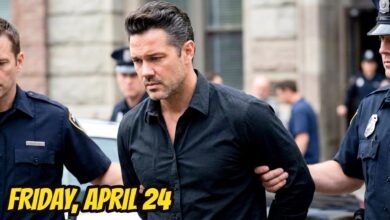
WHAT GOES AROUND? Should Chase’s Suspension End In Termination?
ABC General Hospital spoilers reveal a dark and deeply destabilizing turning point as Assistant District Attorney Turner makes a decision that shatters every remaining illusion of control.
Fully aware that approaching Harrison Chase is not a standard investigative move, Turner knowingly crosses into moral gray territory—where frustration, compromised ethics, and dangerous truths collide.

Chase is no longer an active officer with the PCPD. His suspension looms over him like a public brand of failure, the consequence of impulsive choices and ethically blurred decisions tied directly to Willow. By all logic, that suspension should have stripped Chase of relevance, authority, and leverage.
To Turner, he should have been obsolete. Instead, the opposite has happened. Chase’s isolation has turned him into something far more dangerous—a man carrying secrets he no longer knows how to survive with.



Turner immediately senses that whatever Chase knows about the night Drew was shot is not rumor or speculation. It is certainty, buried beneath guilt, fear, and emotional paralysis.
She does not arrive seeking sympathy or camaraderie. She comes armed with fractured timelines, behavioral inconsistencies, and evidence that refuses to align.
And she makes one thing brutally clear: Chase’s suspension does not absolve him of responsibility. It intensifies it. Without a badge or procedural protection, Chase is exposed.
Turner understands that men like Chase often mistake silence for morality, believing that withholding the truth is a form of protection, when in reality it is complicity.
this confrontation marks a new phase of the investigation—one where official channels have failed and the truth must be pulled from the emotional wreckage left behind by hesitation and fear.
Chase does not deny that he knows who shot Drew. That is the most devastating revelation of all. He confirms it not with confidence, but with exhaustion.
The truth has been poisoning him, eroding his identity as both a cop and a man who once believed right and wrong were clearly defined. But his confession comes with a condition that ignites immediate conflict. Chase will only speak if Turner guarantees Willow’s safety. Not immunity. Not freedom from prosecution. Safety.
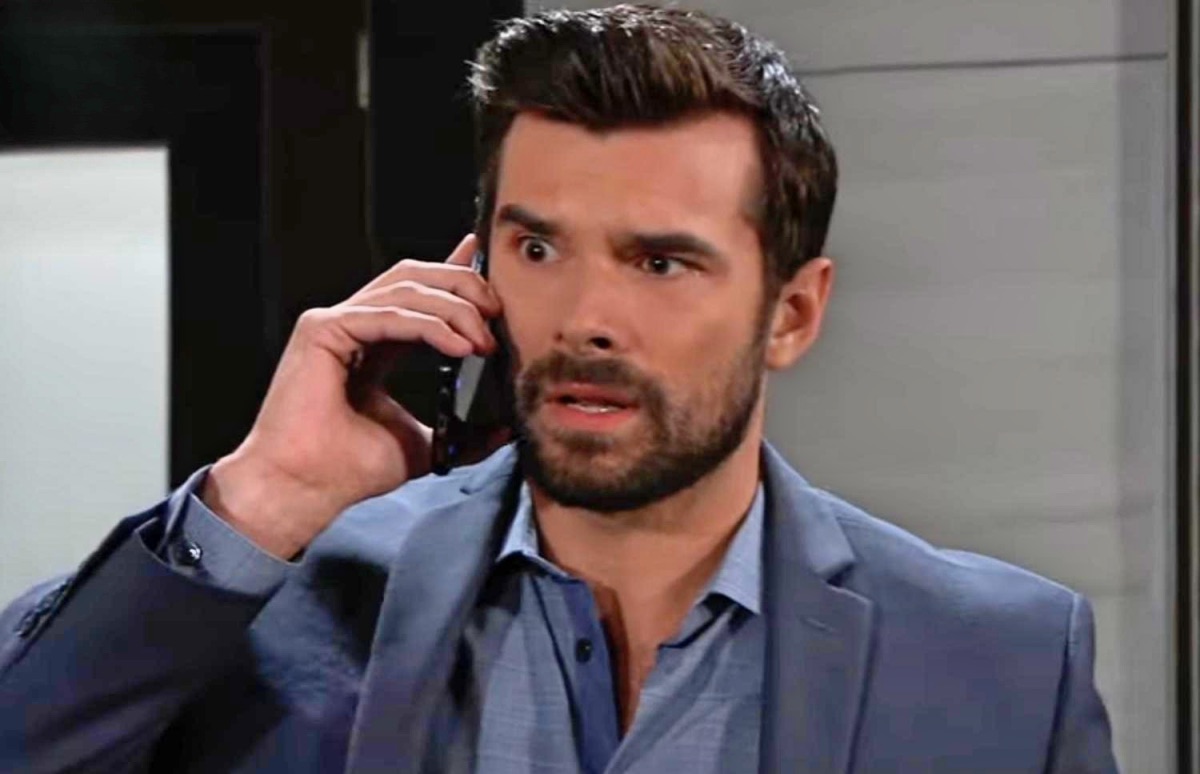
That demand exposes the core of Chase’s downfall. His judgment has been hijacked by emotion, by misplaced loyalty, by the belief that protecting Willow justifies withholding the truth. In that moment, Chase is no longer a suspended officer. He is a frightened man bargaining with justice.
The condition forces Turner into a recalculation she despises. She has built her career on the belief that truth cannot be conditional, that justice collapses the moment it is negotiated around personal attachment. Yet she cannot ignore the reality Chase points to. Willow is vulnerable, surrounded by escalating violence and retaliation. If Chase speaks without safeguards in place, Willow becomes collateral damage.
This is the new darkness infecting the investigation. Truth now comes with a price—and that price is human safety. Turner feels the shift viscerally. This is no longer about solving a crime cleanly. It is about deciding which damage is acceptable.
What enrages Turner most is not Chase’s knowledge, but his weakness. His insistence on guarantees, his inability to act without emotional insulation, disgusts her.
To Turner, Chase’s suspension is not an injustice. It is a symptom. His failure to separate duty from desire has led him here. He had chances to stop the chaos earlier, to speak before violence, prison, and blackmail consumed Port Charles. Instead, he waited. And now he wants absolution without accountability.
Yet Turner does not walk away. She cannot. Chase’s information is pivotal—capable of collapsing the entire structure of lies surrounding Drew’s shooting.
Refusing his condition could mean silence that costs more lives. Forced into an unbearable choice, Turner adapts. For the first time, she considers constructing safeguards not just for witnesses, but for emotionally compromised people trapped in the fallout of the crime. It is a compromise she hates, but one she may be forced to make.
The reckoning detonates when Chase finally breaks. Not through courage, but exhaustion. He agrees to enter witness protection, not as a victory for justice, but as an admission that telling the truth in Port Charles is no longer survivable. And when Chase speaks, he does so without qualifiers or hesitation.
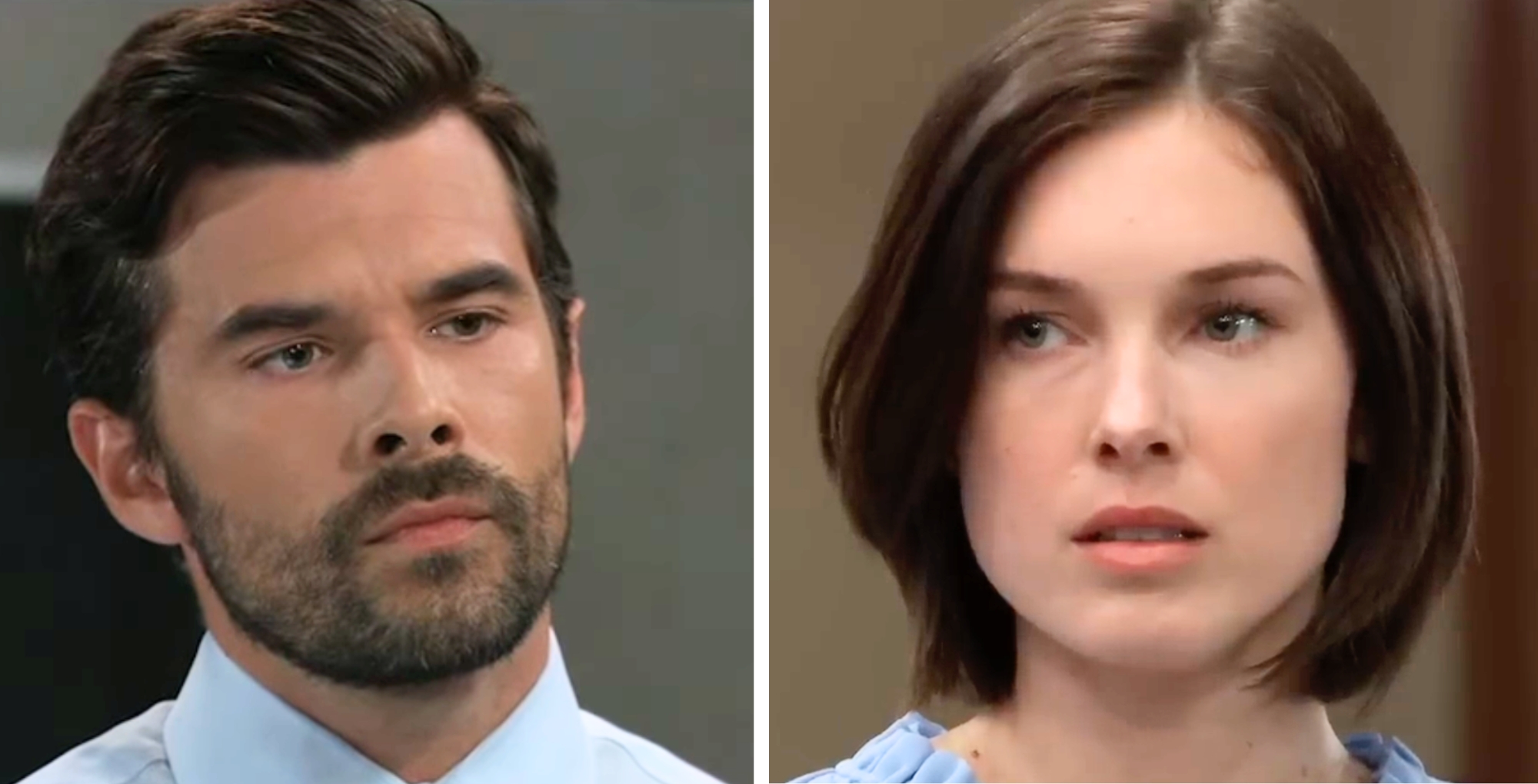
Michael Corinthos is the one who shot Drew.
The shock is immediate and catastrophic. Months of manipulation, denial, and gaslighting collapse under the weight of sworn testimony. The mystery is over. What remains is fallout. Chase does not reclaim his badge or his life. Instead, survival requires erasure. Witness protection demands he abandon his name, his career, his relationships, and the city that defined him. The truth makes him radioactive.
Port Charles does not stabilize. It fractures. Chase’s confession ignites panic, shattering family alliances and exposing Michael as not just a criminal, but a force whose actions have made honesty lethal. Drew is left with vindication that offers no healing, only deeper devastation.
And the damage spreads. Brook Lynn is destroyed by Chase’s disappearance, forced to confront a love torn away not by betrayal, but by truth and danger. Her grief hardens into obsession, her pain redirecting toward Willow—the woman she believes walked away intact while Chase lost everything. As Brook Lynn’s fixation deepens, Port Charles grows more volatile.
Meanwhile, Willow finds herself increasingly isolated. The town does not confront her with accusations. It withdraws. Conversations stop. Sympathy evaporates. Isolation becomes its own punishment—and in Port Charles, isolation has always preceded catastrophe.
As rumors swirl of Finn and Chase’s eventual return, the town braces. Their reappearance promises no closure, only confrontation. Old wounds will reopen. Old secrets will resurface. And the fragile compromises holding Port Charles together will be tested beyond their limits.
This is the seismic shift now gripping General Hospital. Justice is no longer delayed. It is negotiated. Truth is no longer liberating. It is lethal. And as Port Charles spirals, one reality becomes impossible to ignore:
The greatest enemy of justice is no longer secrecy—
it is fear disguised as love.