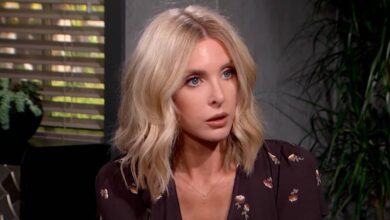
Breaking news: Chase Chrisley is fighting for his life in the midst of a tragic health battle!……
The narrative surrounding Chrisley Knows Best has always thrived on larger-than-life personalities, sharp humor, and family loyalty tested under pressure. But in recent days, a far more serious and emotionally charged conversation has taken center stage—one that has left fans deeply concerned and searching for clarity. Reports and online speculation have begun circulating about Chase Chrisley facing a severe health crisis, described in some corners as a fight for his life.
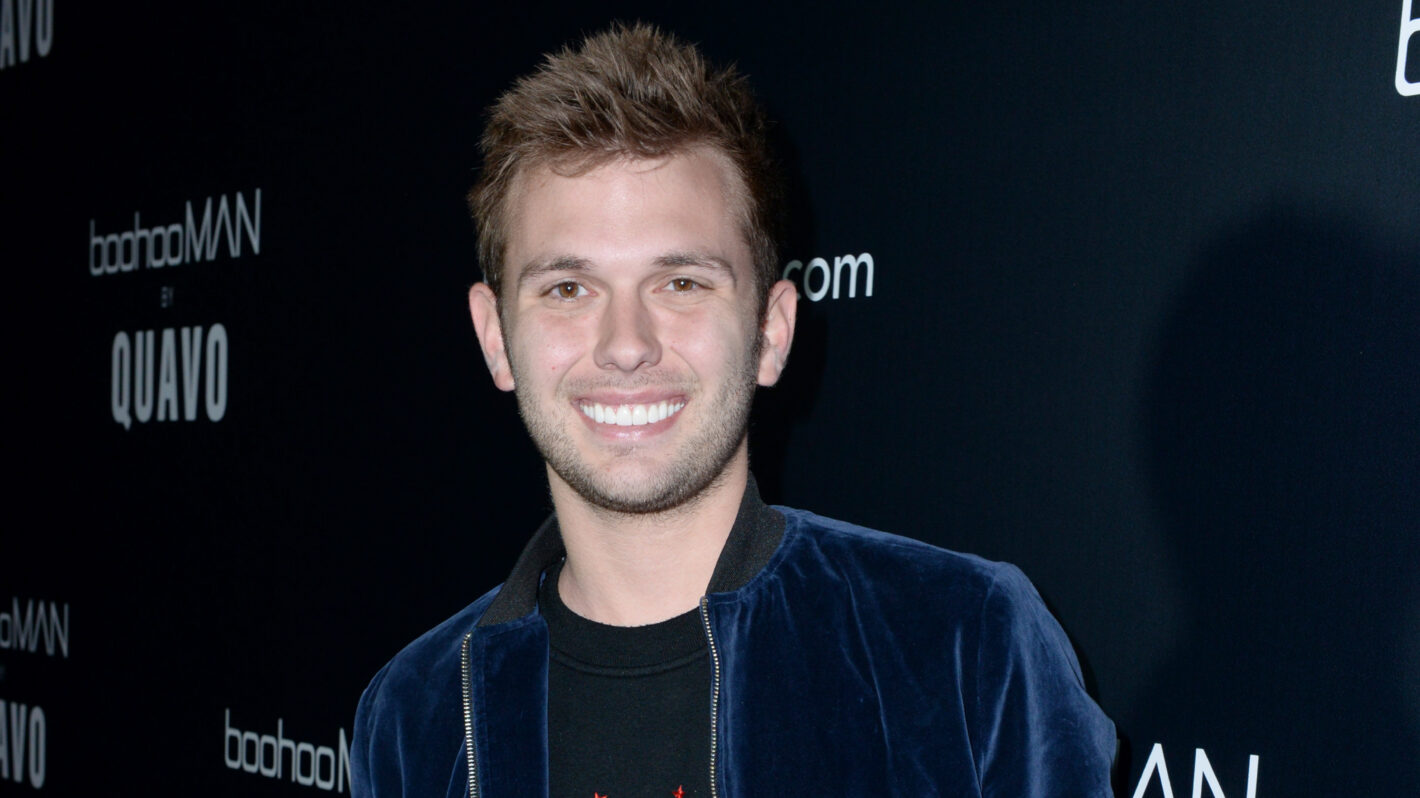
It’s important to approach such claims with caution. As of now, there has been no fully confirmed, detailed public statement verifying the extent of these reports. However, the intensity of the reaction—and the emotional weight behind it—reveals something undeniable: Chase is not just a reality TV figure. He is part of a family dynamic that viewers have grown deeply invested in over the years. And when that dynamic is shaken, even by uncertainty, the ripple effects are powerful.
At the heart of this unfolding situation is the bond between Chase and his father, Todd Chrisley. Their relationship has long been defined by playful conflict, stubborn pride, and an undercurrent of fierce love. Todd’s larger-than-life presence often dominates the screen, but beneath the sharp wit and commanding persona lies a father who has consistently shown that family comes first. If Chase is indeed facing a serious health struggle, one can only imagine the emotional toll it would take on Todd—a man used to controlling every situation now potentially forced to confront something he cannot fix with words or willpower alone.
Then there is Savannah Chrisley, whose connection to her brother has evolved into one of the most grounded and emotionally resonant relationships in the Chrisley family. Savannah has often stepped into a role that blends sisterly support with unwavering advocacy, especially during times when the family has faced legal and personal challenges. In a moment like this, her strength would likely become a central pillar—both for Chase and for the family as a whole. Her voice, often candid and emotionally transparent, could become the bridge between private struggle and public reassurance.




What makes this situation particularly compelling—and deeply unsettling—is how it contrasts with the image the Chrisleys have built over time. Their world, while not without conflict, has always been presented through a lens of control, humor, and resilience. A serious health crisis disrupts that narrative entirely. It introduces vulnerability in its rawest form. There are no rehearsed comebacks, no carefully edited scenes—only uncertainty, fear, and the hope for recovery.
If these reports hold any truth, the emotional stakes extend far beyond Chase himself. They touch every member of the family, reshaping dynamics that fans have come to recognize. Todd, who has often positioned himself as the unshakable center, may be forced into a quieter, more introspective role—one defined not by authority, but by helplessness. Savannah may carry the emotional weight of holding everyone together. And the broader family, including siblings and loved ones, would inevitably be drawn into a shared experience that redefines what truly matters.
From a storytelling perspective, this moment—real or rumored—highlights the delicate intersection between public life and private reality. Reality television invites audiences into personal spaces, encouraging emotional investment. But when real-life crises emerge, that investment can quickly turn into speculation. And speculation, while often driven by concern, can blur the line between empathy and intrusion.
That’s why it’s essential to separate confirmed fact from narrative escalation. Without verified information, statements about Chase “fighting for his life” remain unconfirmed and should be treated with care. However, the conversation itself—why it resonates so strongly—offers insight into the deeper connection audiences feel toward the Chrisley family.
as the rebellious yet lovable son, he has balanced humor with moments of surprising vulnerability. Over time, viewers have watched him grow—not just in age, but in emotional depth. That growth is what makes the idea of him facing a serious health battle so impactful. It’s not just about a headline; it’s about a person audiences feel they know.
If there is one thread that runs consistently through the Chrisley narrative, it is resilience. The family has faced legal battles, public scrutiny, and personal upheaval—and yet, they have continued to move forward, often leaning on each other in ways that feel both genuine and complex. A health crisis, however, is a different kind of challenge. It cannot be argued away or managed through strategy. It demands patience, vulnerability, and a willingness to confront uncertainty head-on.
And perhaps that is where the true emotional core of this story lies.
Not in the speculation.
Not in the headlines.
But in the possibility that, behind the scenes, a family known for its strength is being tested in a way that strips everything down to its most essential truth: love, fear, and the fragile nature of life itself.
For fans, the instinct is to seek updates, to understand what’s happening, to feel connected. But sometimes, the most respectful response is to allow space—for clarity, for truth, and for the individuals involved to navigate whatever reality they are facing without added pressure.
Whether these reports are ultimately confirmed or disproven, one thing remains clear: the emotional connection between the Chrisleys and their audience is real. And in moments like this, that connection transforms from entertainment into something far more human.
As the situation continues to unfold, the hope—shared by fans and observers alike—is simple but profound: that Chase is safe, supported, and surrounded by the people who matter most.
Because beyond the cameras, beyond the storylines, beyond the speculation—that is what truly counts.